
Blog
-
You’re probably using uv wrong
Bottom line: If you’re typing uv pip install, you’re treating uv as a faster pip and missing the point. uv is built around projects: run uv init myproj to create a pyproject.toml, uv add to record dependencies, and uv run to execute your code. Do that, and you can ignore pip, venv, and pyenv entirely.…
-
How to conference
I love conferences. I enjoy everything about them — the nonstop stream of learning, the chance to see old friends and meet new ones, and just generally to be around a lot of interesting, smart, and fun people. And yes, as a trainer, I also enjoy getting a chance to teach — which is fun…
-
My newest course: HOPPy (Hands-on Projects in Python)
Congratulations! You’ve finished a Python course, or even two. You’re now a certified Python programmer. And yet, when it comes time to start a new Python project, you aren’t sure where to start. The blank screen in front of you doesn’t fill you with excitement and creativity. Rather, it fills you with self-doubt and dread.…
-
Eleven days on Iceland’s Ring Road
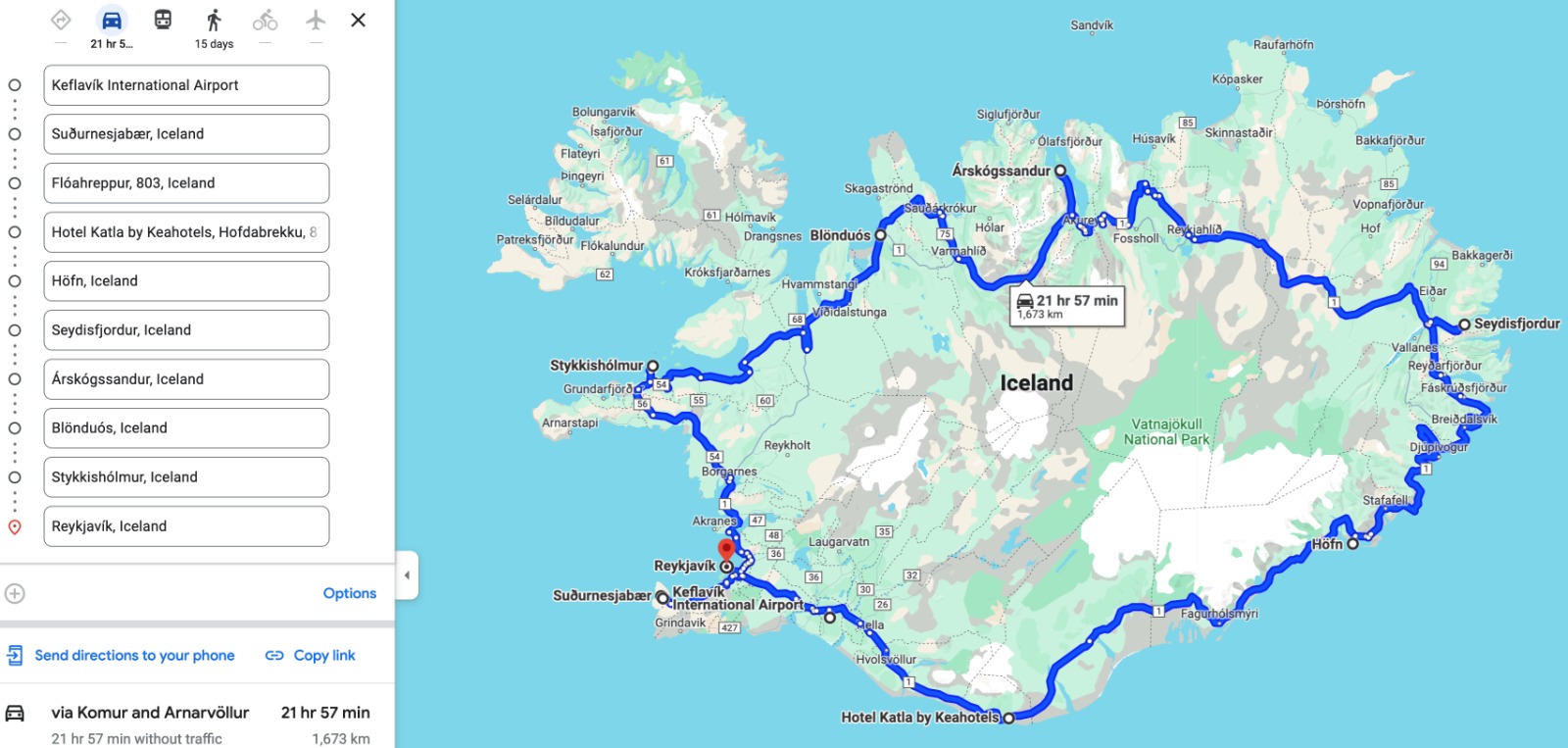
The short version: Eleven days is enough to drive Iceland’s Ring Road (Highway 1) all the way around the island, averaging 3-4 hours of driving a day with plenty of time to stop and sightsee. We went counterclockwise from Reykjavik in late March, which meant snow, few tourists, and scenery that grew wilder each day.…
-
Level up your Python skills this August
It’s August! For many of us, that means it’s time for hot weather and perhaps even a vacation. But if you’re a Python/Pandas nerd like me, it’s is the perfect time to level up your programming skills. And in the coming weeks, I’ll be offering 13 (!) live, online courses on a wide variety of…
-
Prepare yourself for a better career, with my new Python learning memberships
For years, students and clients have asked me for a membership program that includes all of my products. And for years, I’ve said, “No.” Why not? Because I didn’t just want to offer access to my courses. I wanted to make something more than that — with a constant array of new content, interactions among…
-
I’m banned for life from advertising on Meta. Because I teach Python.
I’m a full-time instructor in Python and Pandas, teaching in-person courses at companies around the world (e.g., Apple and Cisco) and with a growing host of online products, including video courses and a paid newsletter with weekly Pandas exercises. Like many online entrepreneurs, I’ve experimented with a host of different products over the years, some…
-
Sharpen your Pandas skills with “Bamboo Weekly”
Data is the future. Heck, you could make a compelling argument that it’s the present. If you know how to work with data, then your career is virtually assured. You’ll have your pick of cool jobs, interesting projects, good employers, and smart colleagues. Even better? The most popular language for working with data is Python.…
-
My Week with ChatGPT
Everyone’s talking about ChatGPT. If you haven’t used it yourself, then you’ve probably seen lots of screenshots on social media. Or maybe you’ve had a friend or family member (like me) talk about it nonstop. I’ve indeed spent a lot of time playing with ChatGPT. I’ve gotten it to do some wild and fun things,…
-
Improve your Python skills — at 40% off
Python has never been hotter. It’s a skill that everyone can use to improve their career — to improve your current job, or to get a great new job. So it’s a good idea to learn Python. Or if you already know it, it’s a good idea to improve your skills, to sharpen your understanding.…